


Our products are exported to Europe, Southeast Asia, Korea, Japan, Taiwan and other countries and regions.

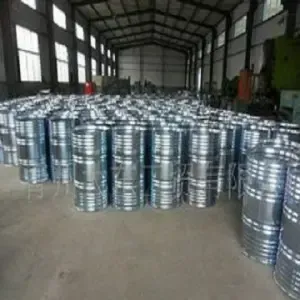
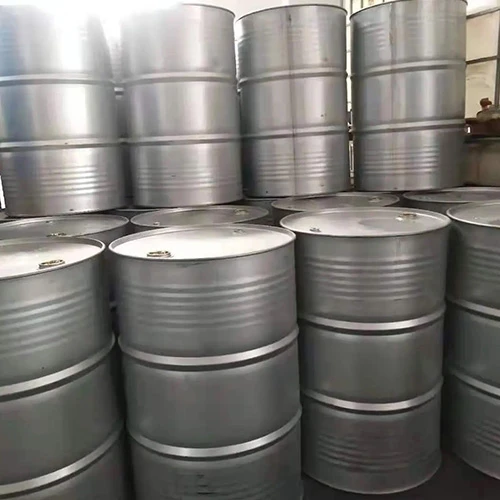
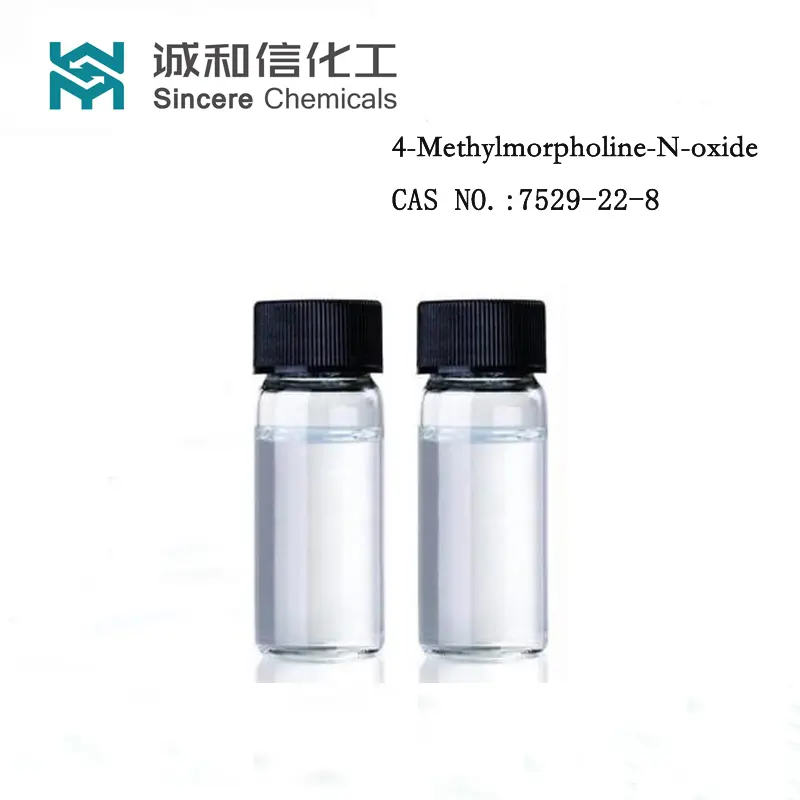

For two years, it has been committed to exporting high-quality peptides, apis, food additives, pharmaceutical intermediates, building materials, food industry raw materials, safe organic solvents, plant extracts, spices, hormones, etc.
 Pharmaceutical
intermediates
Pharmaceutical
intermediates- Cosmetic raw material
- Food additive
- Basic chemical industry
- Plant extracts
- Veterinary drugs&feed
- Peptide products
methylammonium iodide
Dimethyl Formamide (DMF), also known as N,N-Dimethylmethanamide, is a versatile organic solvent with exceptional properties for industrial applications. With the CAS number 75-12-7 and molecular formula C₃H₇NO, this colorless, water-miscible solvent has a boiling point of 153°C and plays a critical role in chemical manufacturing worldwide. Shijiazhuang Sincere Chemicals Co., Ltd. Leading manufacturer of high-purity Dimethyl Formamide for industrial applications Website: www.sincerechemicals.com Email: sjzchx@sjzchx.com Phone: +86 15075177560 Address: Jinling Mansions No.106-1 East Yuhua Rd., Shijiazhuang, Hebei, China Product Overview Shijiazhuang Sincere Chemicals specializes in manufacturing high-purity Dimethyl Formamide that meets rigorous industrial standards. Our DMF exhibits superior solvency power, low volatility, and high thermal stability, making it ideal for demanding applications in pharmaceuticals, polymers, and electronics manufacturing. Technical Specifications Name: Formamide Molecular Formula: CH₃NO Molecular Weight: 45.04 g/mol CAS Number: 75-12-7 Density: 0.944 g/mL at 25°C View Product Details Quality Assurance Our Dimethyl Formamide undergoes rigorous quality control processes: Minimum 99.8% purity Low water content (<300 ppm) Trace metal content controlled to <1 ppm APHA color index below 10 Stabilized against degradation Technical Parameters Parameter Value Test Method Significance Boiling Point 153 °C ASTM D1078 Determines distillation range and thermal stability Melting Point -61 °C ASTM D1493 Indicates storage and handling requirements Flash Point 58 °C (closed cup) ASTM D93 Critical for safety classification and storage Vapor Pressure 3.7 mmHg at 25°C ASTM D2879 Measures evaporation rate and volatility Refractive Index 1.4305 at 20°C ASTM D1218 Indicator of purity and molecular composition Water Content <0.1% (max) Karl Fischer Affects chemical reactivity and stability Viscosity 0.92 cP at 20°C ASTM D445 Influences flow characteristics and pumping Market Trends and Demand Analysis The global market for Dimethyl Formamide is projected to reach USD 790 million by 2028, growing at a CAGR of 5.3% from 2023 to 2028. This growth is driven by increasing demand in electronics manufacturing for polyimide films and in pharmaceutical production for APIs synthesis. According to a recent report by the Chemical Industry Journal , Asia-Pacific dominates consumption, accounting for over 65% of global demand. Industry Applications Dimethyl Formamide serves as a critical component across multiple industries due to its exceptional solvent properties and chemical stability. Electronics Manufacturing Used in the production of flexible printed circuits and photoresist stripping solutions. DMF's ability to dissolve polyimides makes it essential in manufacturing insulating films for electronic devices. Pharmaceutical Synthesis Acts as reaction medium in penicillin and cephalosporin production. The high solvency power enables efficient API crystallization processes while meeting strict purity requirements. Synthetic Fiber Production Essential solvent for acrylic fiber spinning, accounting for approximately 40% of global DMF consumption. Enables precise control of fiber morphology through phase separation techniques. Agrochemical Formulations Serves as co-solvent in pesticide emulsions and herbicide solutions. Its high boiling point provides stability during spray applications under varying temperatures. Technical Analysis Recent advances in Dimethyl Formamide purification technology have significantly improved solvent performance. A 2023 study published in the Journal of Solvent Science demonstrated that molecular sieve purification reduces amine content below 15 ppm, enhancing oxidative stability during high-temperature processing. Technical Questions & Answers What are the recommended storage conditions for DMF? Dimethyl Formamide should be stored in stainless steel or polyethylene-lined container111s away from oxidizing agents. Maintain temperatures below 40°C with inert gas padding (nitrogen or argon) to prevent moisture absorption and oxidation. Storage life is typically 24 months when protected from UV light and atmospheric contamination. What safety precautions are required when handling DMF? Use chemical-resistant gloves (nitrile or butyl rubber), eye protection with side shields, and vapor-proof aprons. Ensure adequate ventilation (TLV-TWA 10 ppm) and install explosion-proof electrical equipment in processing areas. OSHA regulations require air monitoring in facilities handling more than 55 gallons of Dimethyl Formamide . How does temperature affect DMF viscosity? Dimethyl Formamide viscosity follows an inverse exponential relationship with temperature. At 20°C, viscosity is 0.92 cP, decreasing to 0.55 cP at 50°C. This temperature sensitivity is critical for processes like fiber spinning where viscosity directly influences filament formation and diameter control. What distillation methods ensure high purity DMF? High-purity Dimethyl Formamide (>99.95%) is achieved through fractional distillation under vacuum (50-100 mmHg) with packed columns providing >20 theoretical plates. The distillation front-run (light ends) and tails fractions are discarded to remove dimethylamine and formic acid impurities that form through hydrolysis. What are the alternatives to DMF in pharmaceutical applications? While DMSO and NMP are sometimes substituted, Dimethyl Formamide remains preferred for reactions requiring higher boiling points (153°C vs. 189°C for DMSO) and lower nucleophilicity. For API crystallization, DMF offers superior polymorph control compared to acetonitrile or THF alternatives. What determines DMF's classification in transport regulations? Dimethyl Formamide is classified as UN 2265, Class 3, Packing Group III under UN transportation regulations. Flash point (58°C) and LD50 oral toxicity (rat, 2800 mg/kg) determine this classification. Packaging must meet UN 1A1/Y1.5/150 standards for international shipment. How is DMF recovered and recycled in industrial processes? Industrial Dimethyl Formamide recovery typically employs multi-stage vacuum distillation followed by activated carbon treatment. Advanced plants utilize membrane separation (nanofiltration) achieving >95% recovery rates. Spent DMF with water content >15% requires azeotropic distillation using toluene as entrainer. Industry References "Advances in Polar Solvent Purification Technology" - Chemical Processing Journal (2023) "Global Solvent Market Analysis 2023-2028" - Chemical Market Research "DMF in Pharmaceutical Synthesis" - Pharmaceutical Technology Review Vol. 47, Issue 8 "Safety Protocols for Amide Solvents" - International Chemical Safety Board (2022) "Solvent Recovery Best Practices" - Green Solvents Initiative Contact Our Chemical Specialists For technical specifications, SDS documentation, or customized Dimethyl Formamide formulations: Shijiazhuang Sincere Chemicals Co., Ltd. +86 15075177560 | sjzchx@sjzchx.com Request Technical Data Sheet
-
 Supplydomestic leading production technology, production capacity and sufficient inventory
 -
 Quality control systemfrom raw materials to finished products, from storage to storage, transportation to the end user, each link is responsible for strict control.
 -
 InnovatingProvide multi-faceted and convenient services to be the most worry-free and assured supplier for customers
 -
 ServiceAny problem with product quality, we promise to return and exchange unconditionally.

If you do not understand, you can contact us at any time for communication and inquiry, we will answer questions for customers in time.


-
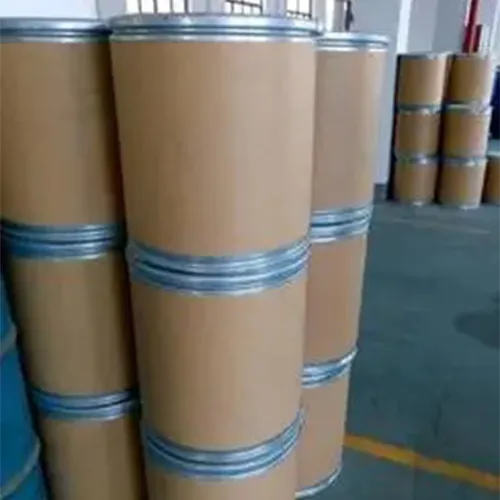 2026-04-02 15:21hexamethylphosphoric acid triamideHexamethylphosphoric acid triamide , commonly referred to as HMPA, is a highly polar organic compoun
 -
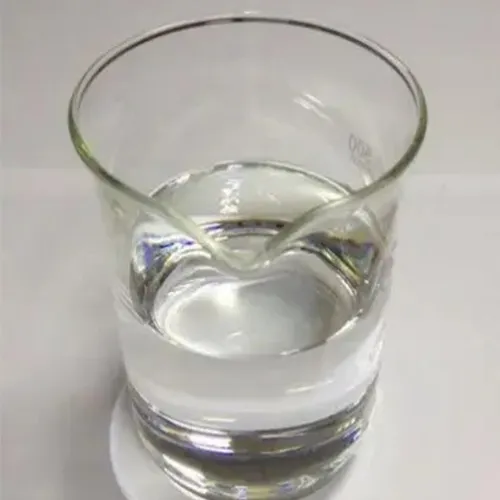 2026-04-02 14:294 methylmorpholine 4 oxideNavigating the Innovative Landscape of 4-Methylmorpholine N-oxide 4-Methylmorpholine N-oxide (NMMO)
 -
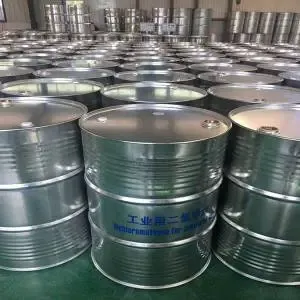 2026-04-02 13:31cmc celluloseIn the realm of food additives, CMC cellulose, or sodium carboxymethyl cellulose, stands out as an i